Feature • IT Champion Focus
Teaching With Tech: Mianda Erasmus on Flipped Learning and Student Engagement
By Lesedi Makapela
Senior Administrative Officer • Mahikeng Campus Information Technology
Technology is playing an increasingly important role in higher education, and for Mianda Erasmus it is central to how she teaches and supports students. As an IT Teaching Champion, she brings together online tools, interactive activities and strong academic support to help first year students adapt to university life while building digital confidence.
Her approach begins on eFundi, where lessons are structured around outcomes instead of long chapters. Each lesson is broken into smaller pieces that guide students step by step. Activities and formative checks help students track their understanding, and new content unlocks only when they complete the previous tasks. This structure supports self paced learning and helps students keep up even in a demanding first semester.
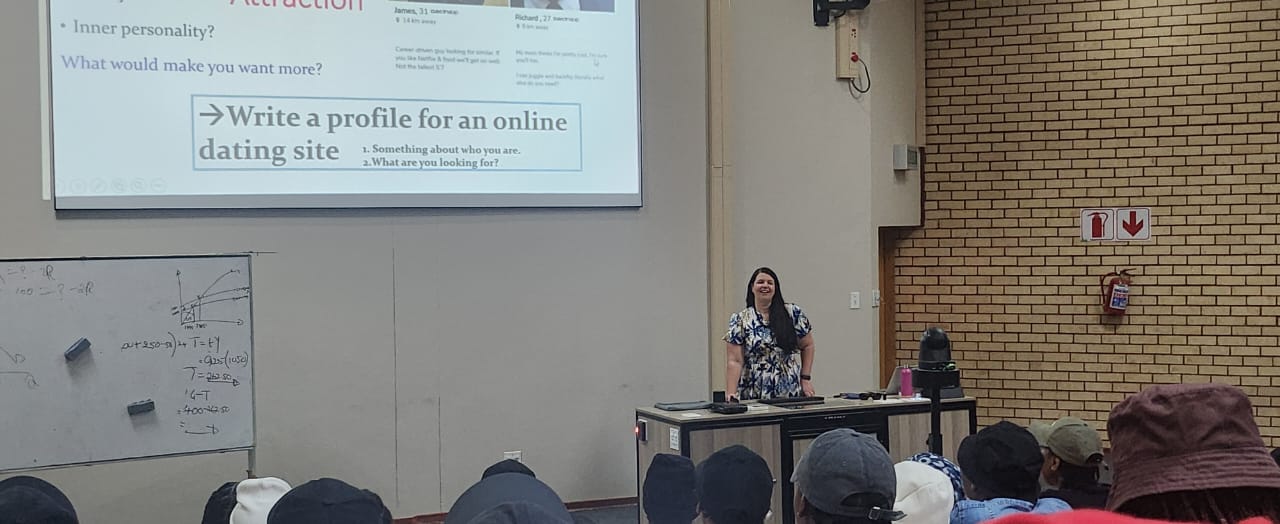
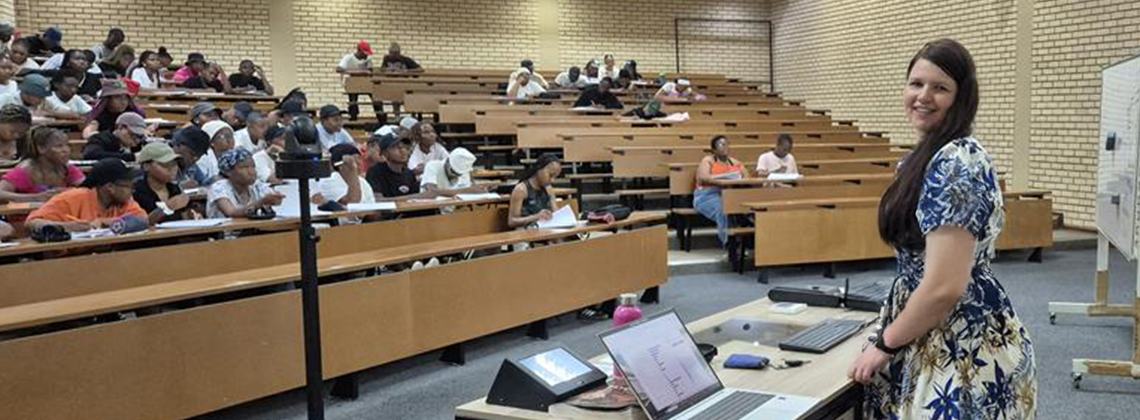
In the weekly face to face classes, Mianda uses an applied teaching style. Instead of repeating theory, she focuses on activities where students apply what they learned in eFundi. This includes application activities, small group discussions and guided exercises. The aim is to help students connect theory to real examples and develop confidence in their abilities.
Click to view some of the ways she uses technology in her classes:
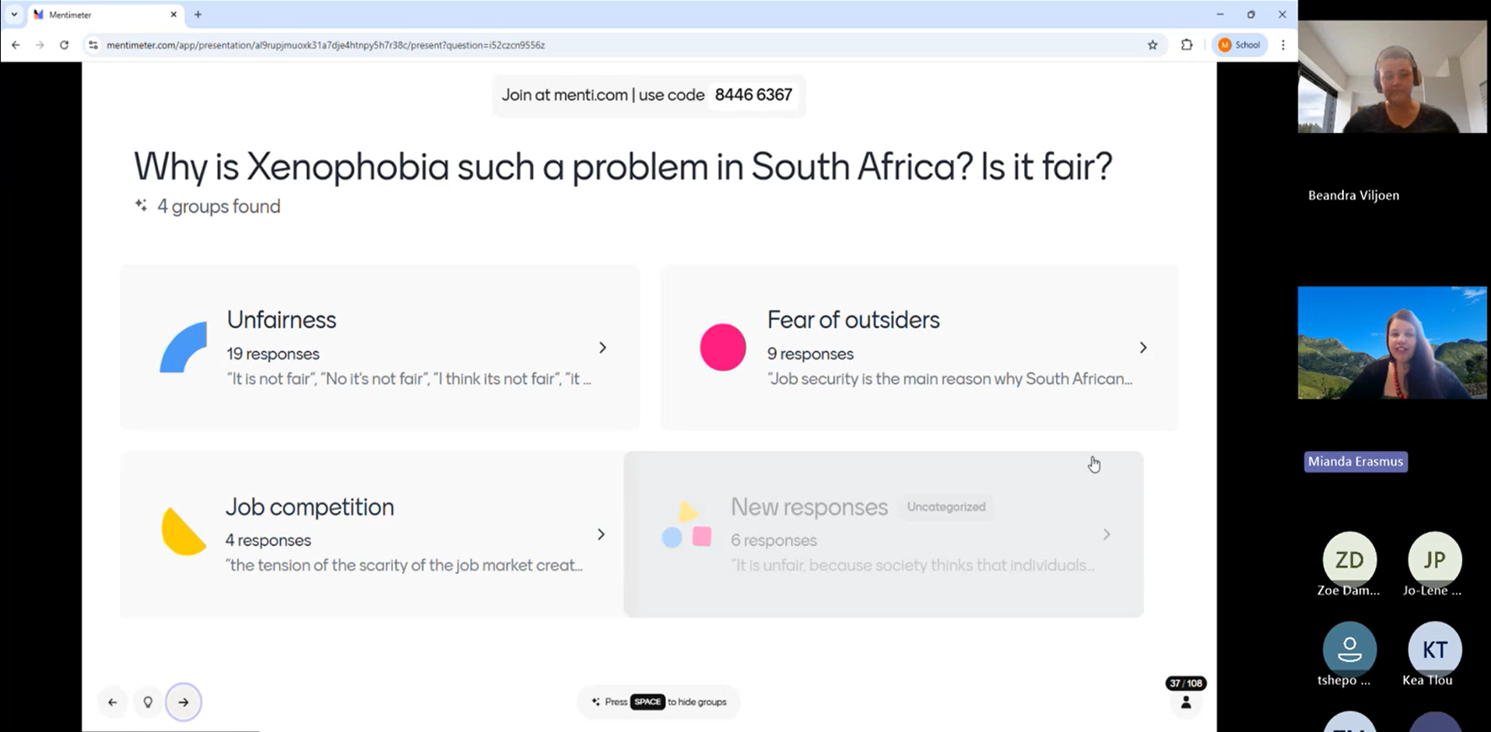
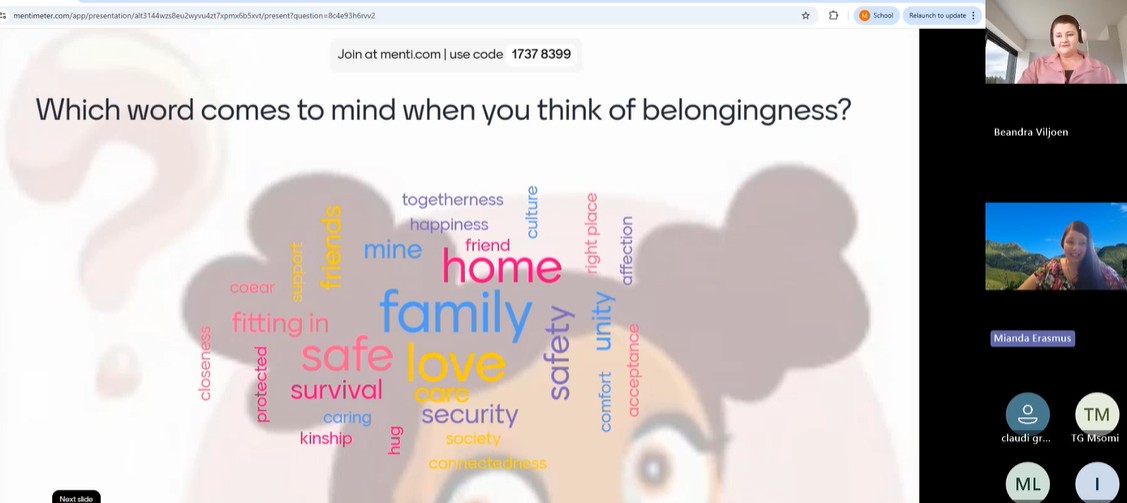
The shared online class on Microsoft Teams is one of her strongest tools. These sessions bring students from Potchefstroom, Mahikeng and Vanderbijlpark together in one digital classroom. Mentimeter is used throughout to keep students active. Anonymous participation removes fear, and real time grouping of answers helps Mianda identify patterns quickly and respond immediately to misconceptions.
Supporting first years is a key part of her work. With thousands of students across campuses, it is impossible to track progress manually. The structured eFundi lessons, regular online quizzes and interactive sessions make it easier to identify at risk students early. When performance indicators show gaps, Mianda sends targeted communication to check in and offer tools that can help students regain confidence.
She also makes strong use of Microsoft Forms for anonymous questions related to each lesson outcome. These questions are then discussed in class so that the whole group benefits. Tools such as Excel remain essential behind the scenes for managing assessments, planning content and analysing student trends.
Beyond teaching, Mianda actively supports colleagues. She regularly hosts Teams sessions to demonstrate eFundi tools, Excel skills and best practices for online teaching. This mentorship contributes to a strong culture of collaboration and continuous improvement within the academic teams.
Looking forward, Mianda sees big potential in learning analytics, responsible AI use and experiential digital learning. Her message to lecturers is clear. Technology should not replace academic expertise. Instead, it should support it by improving efficiency, reducing barriers and shaping students who are digitally ready for the future.